
Optimal Timing for Drainage Service
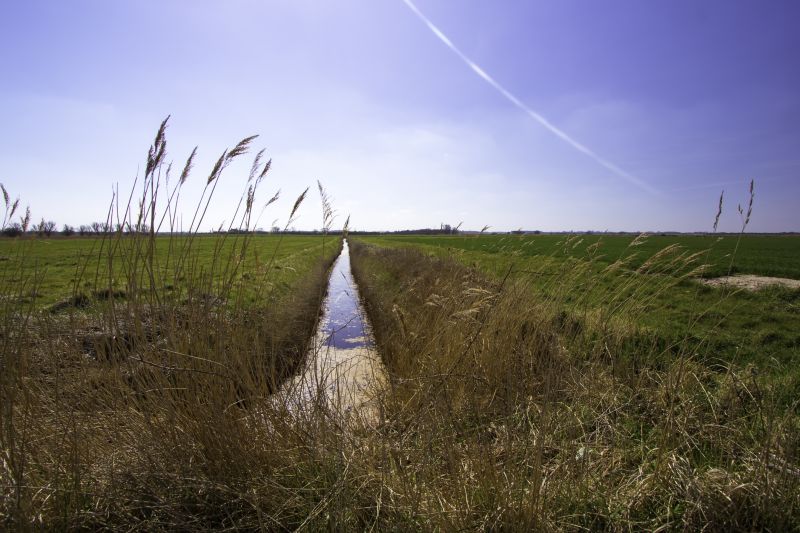
Spring is ideal for drainage service to prepare for heavy rains and snowmelt.
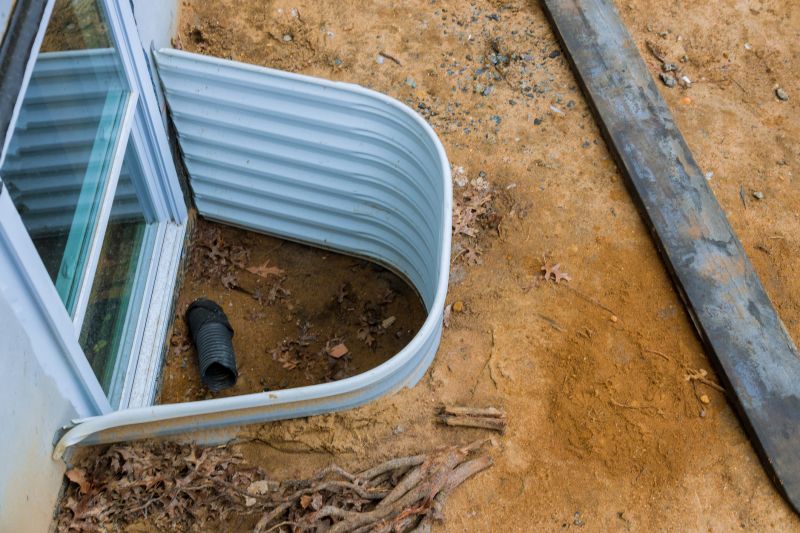
Fall allows for inspection and repairs before winter weather impacts drainage systems.
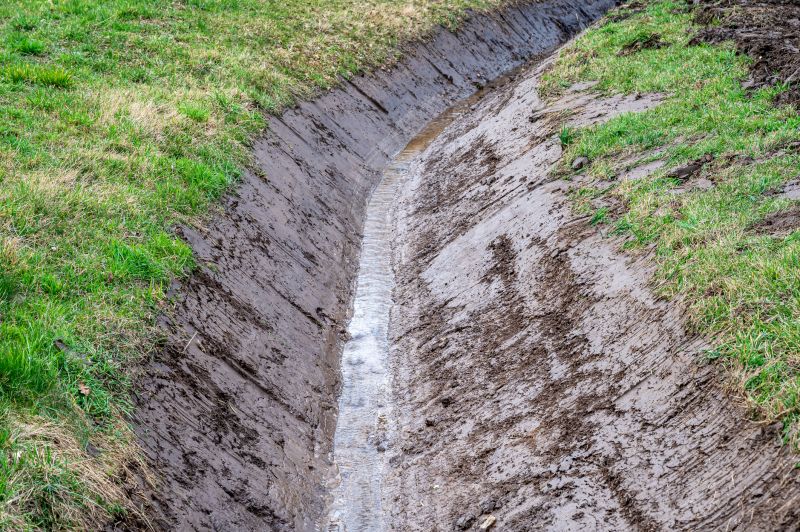
Summer offers a dry period to conduct maintenance without weather delays.
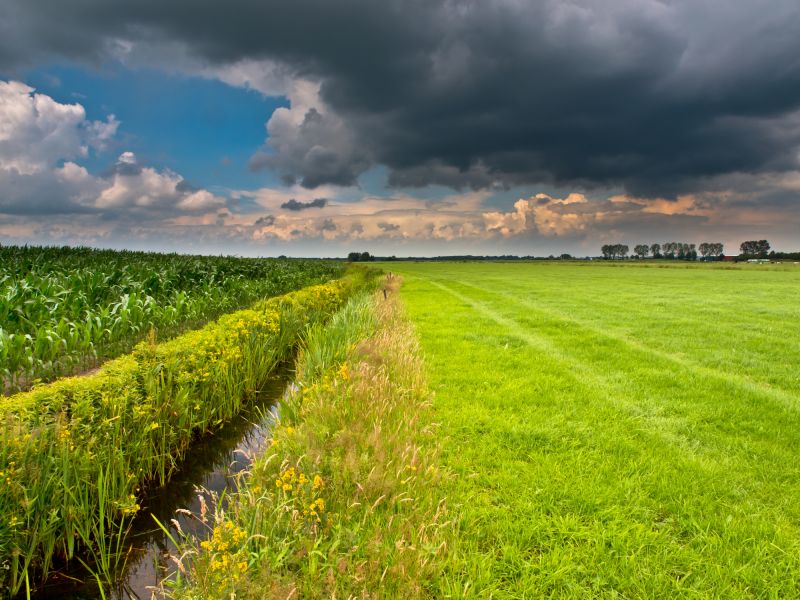
Ways to make Drainage Service work in tight or awkward layouts.
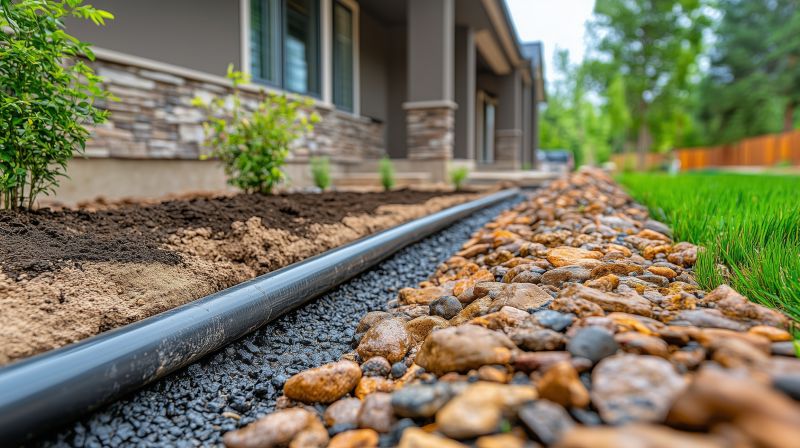
Popular materials for Drainage Service and why they hold up over time.
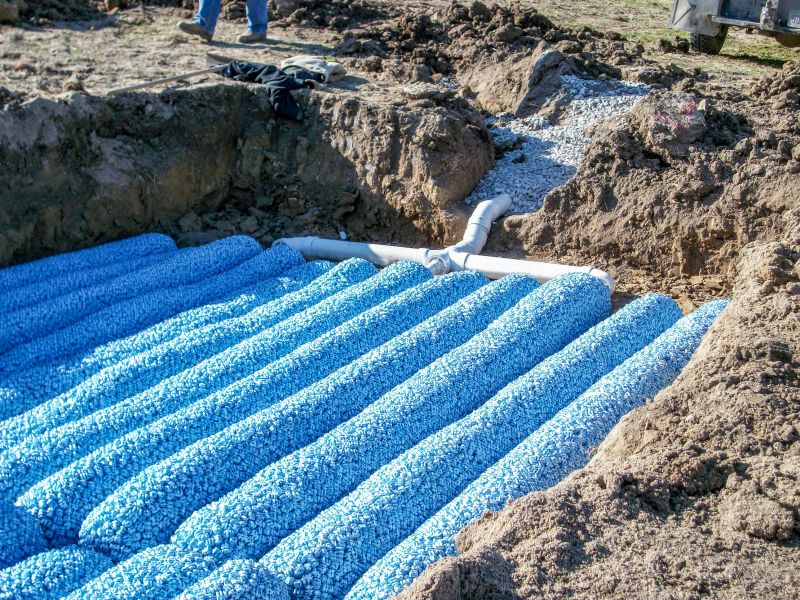
Simple add-ons that improve Drainage Service without blowing the budget.
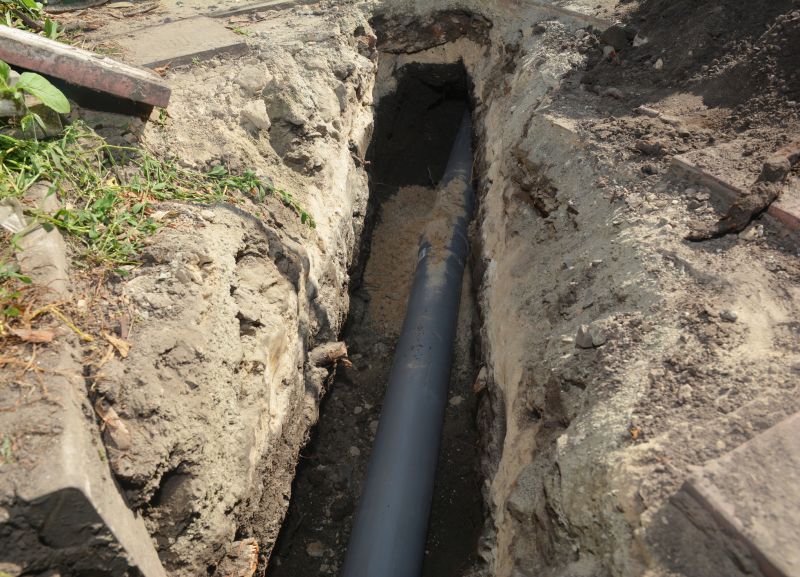
High-end options that actually feel worth it for Drainage Service.
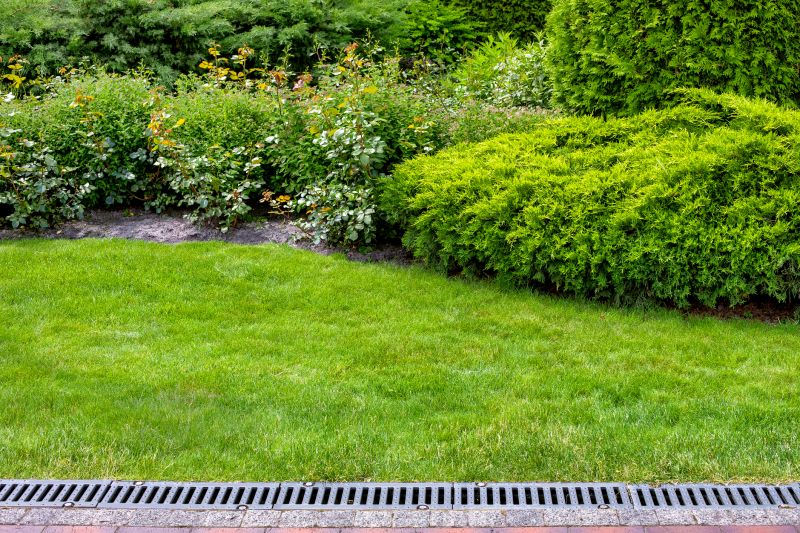
Finishes and colors that play nicely with Drainage Service.
Timing drainage service around seasonal weather patterns helps optimize effectiveness and reduces downtime.
Heavy rains or snowmelt increase the urgency for drainage maintenance to prevent blockages and flooding.
Scheduling during dry periods allows for thorough inspections and repairs without weather interference.
Performing drainage service during optimal seasons can reduce emergency repairs and associated costs.
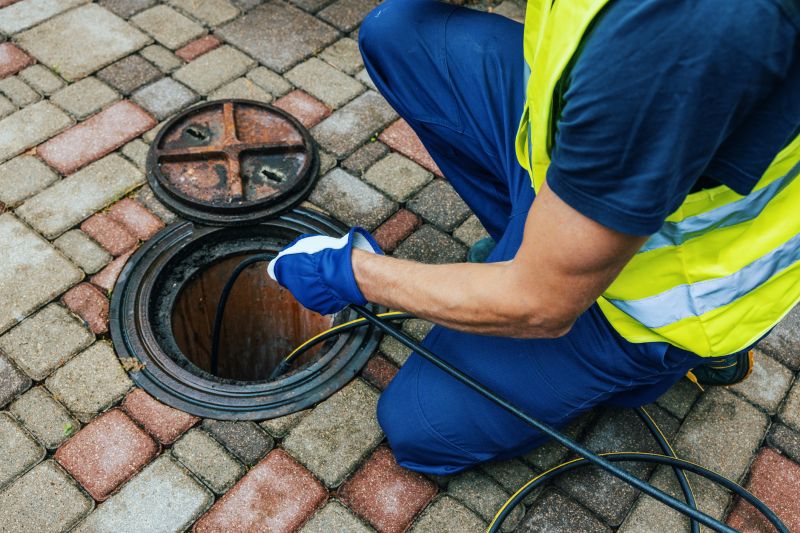
Visual assessment of drainage components for damage or blockages.
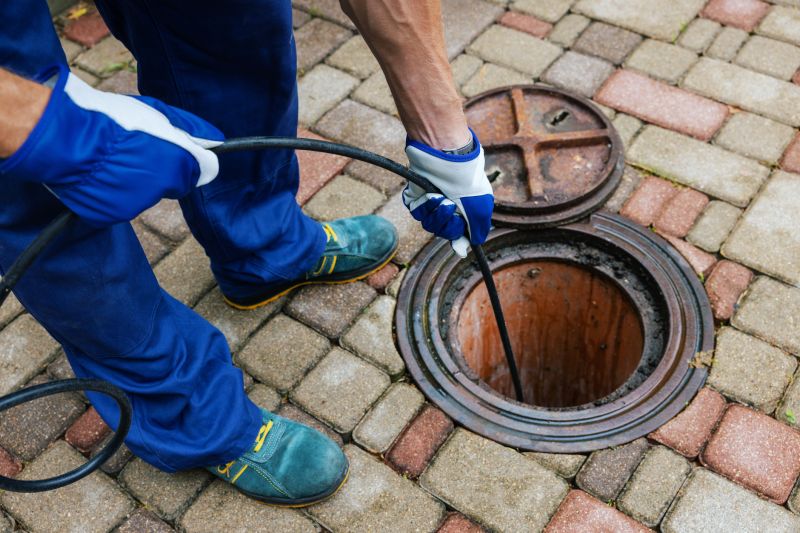
Removing debris to ensure unimpeded water flow.
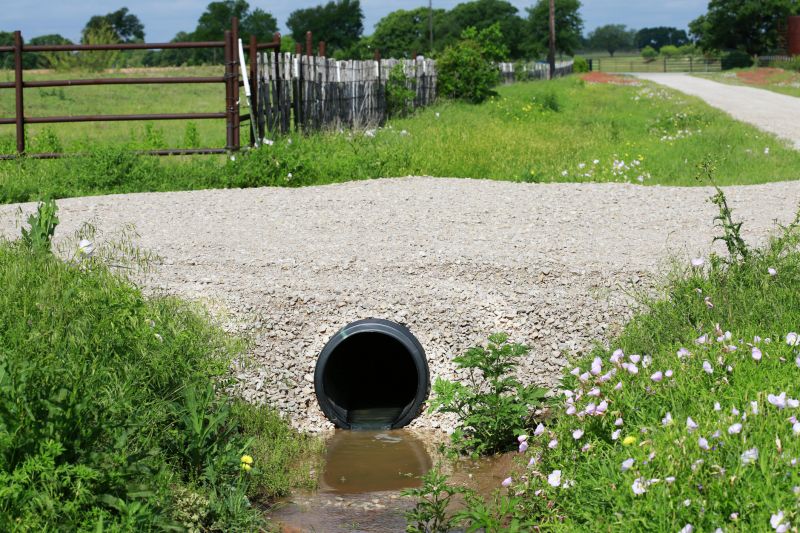
Fixing cracks, leaks, or broken components for optimal performance.
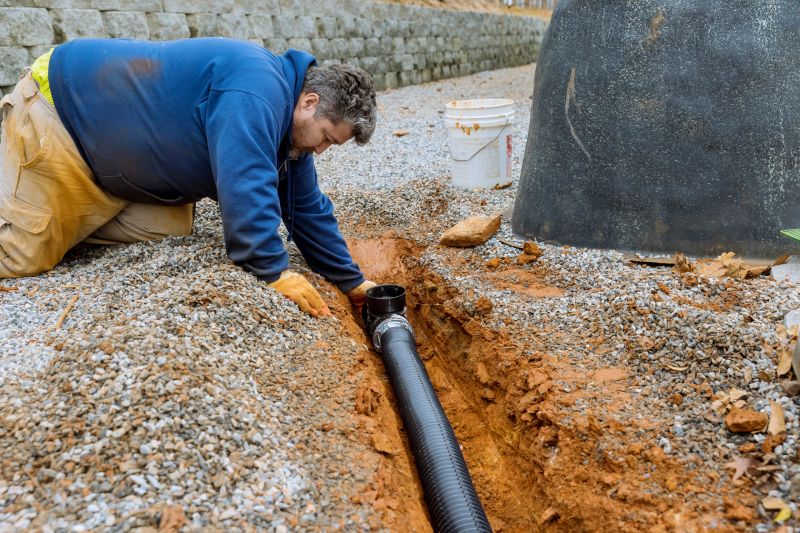
Adding or upgrading systems to meet changing property needs.

Little measurements that prevent headaches on Drainage Service day.
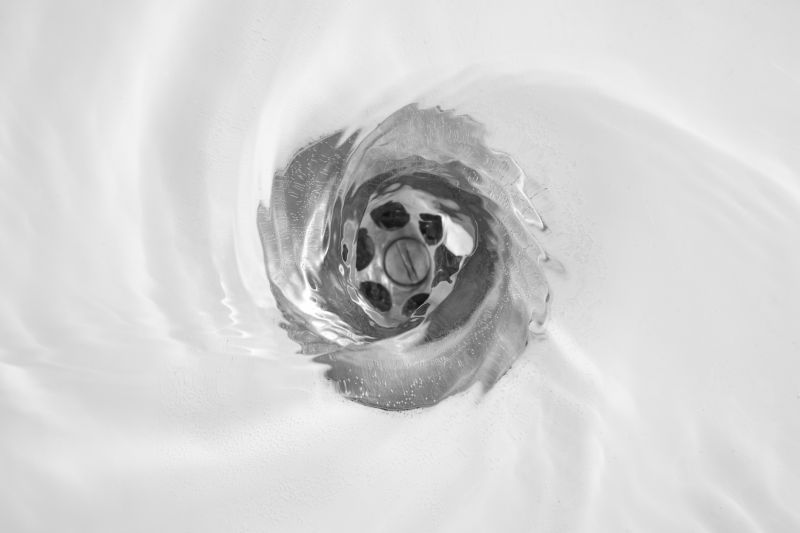
A 60-second routine that keeps Drainage Service looking new.
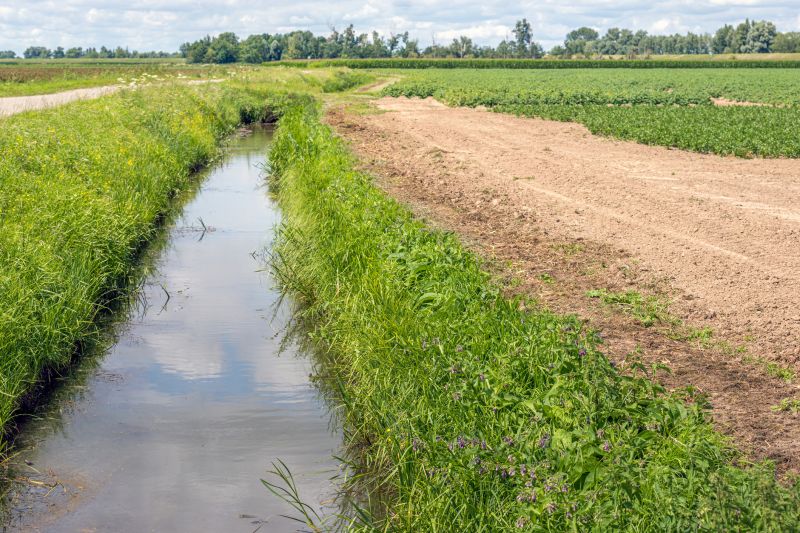
A frequent mistake in Drainage Service and how to dodge it.
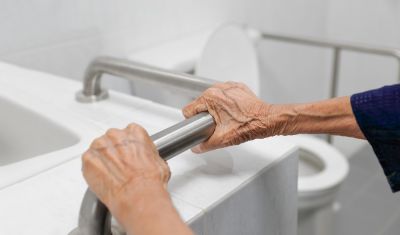
Small tweaks to make Drainage Service safer and easier to use.
| Season | Optimal Drainage Service Timing |
|---|---|
| Spring | Before heavy rains and snowmelt begin. |
| Summer | During dry periods for maintenance and inspections. |
| Fall | Prior to winter weather and freeze conditions. |
| Winter | Limited; focus on emergency repairs if needed. |
| Late Winter | Pre-season checkups before spring rains. |
Scheduling drainage service at appropriate times ensures the systems are prepared for seasonal weather changes. Regular maintenance during optimal periods can prevent water accumulation issues, soil erosion, and property damage. Understanding the seasonal impacts on drainage infrastructure helps in planning effective service intervals.
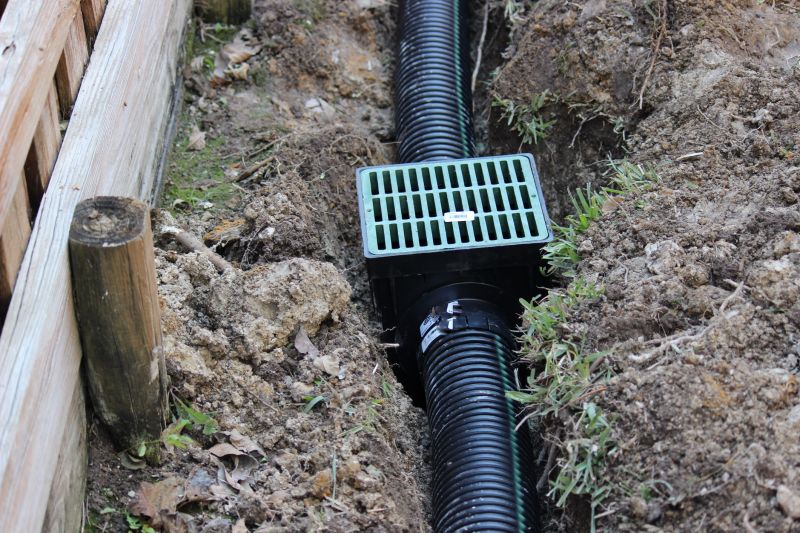
Detailed assessment of existing drainage infrastructure.
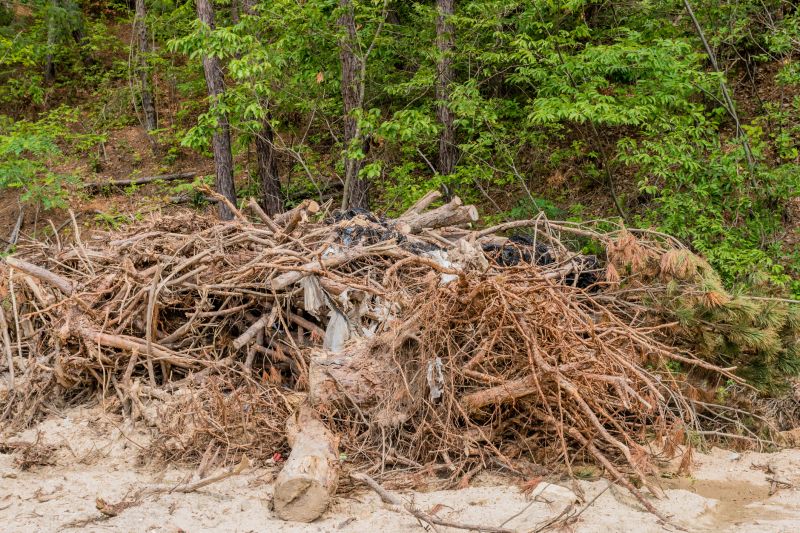
Clearing leaves, dirt, and other obstructions.
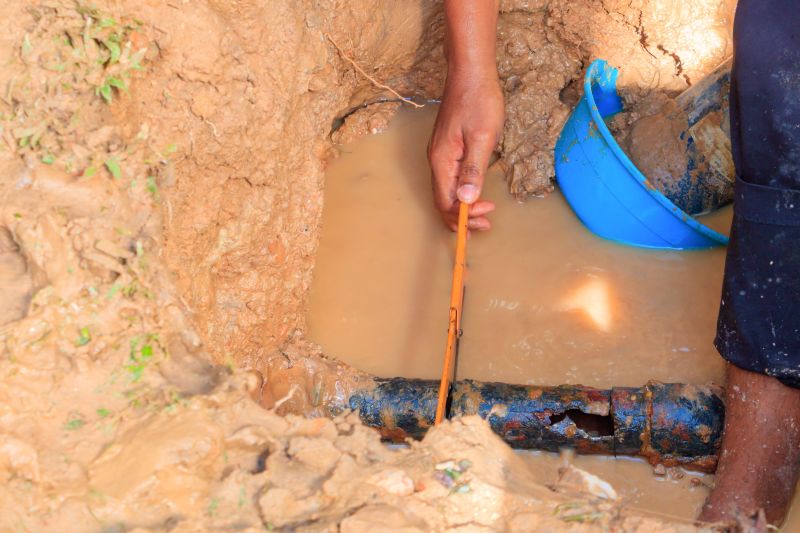
Fixing cracks, leaks, or broken pipes.
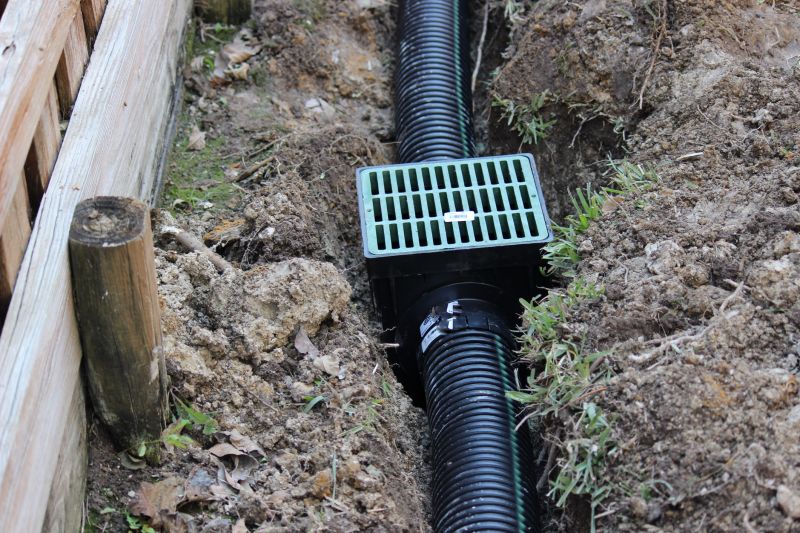
Implementing advanced drainage solutions.
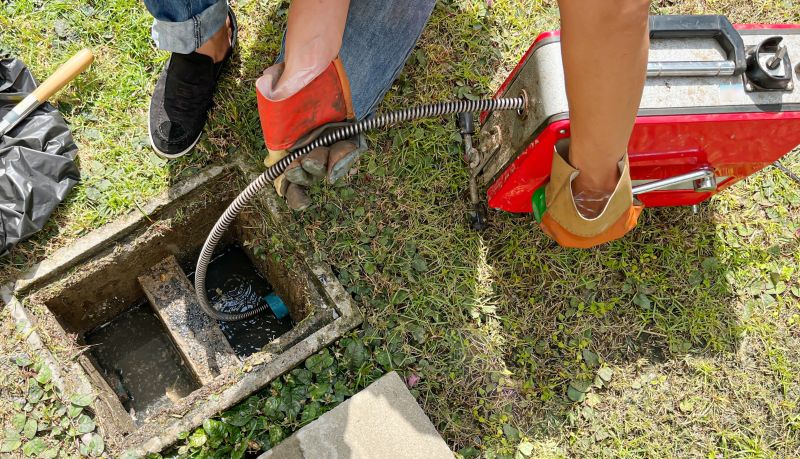
The short, realistic tool list for quality Drainage Service.
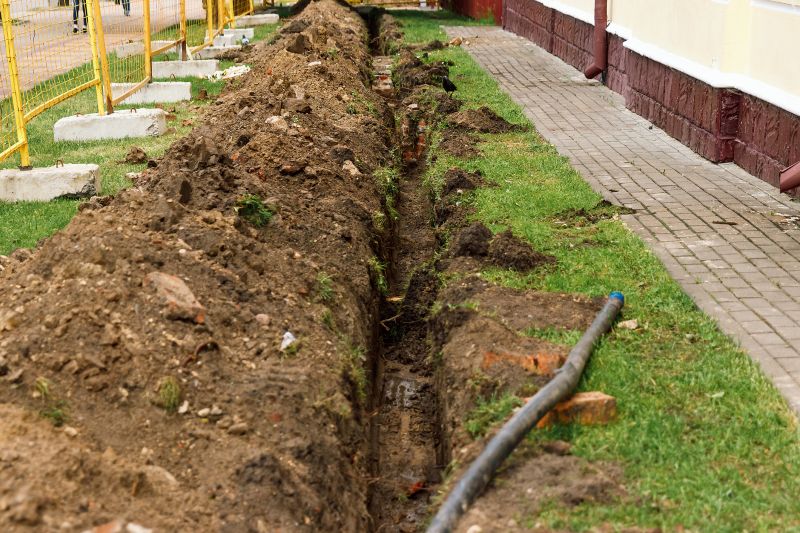
Rough timing from prep to clean-up for Drainage Service.

Quick checks and paperwork to keep after Drainage Service.
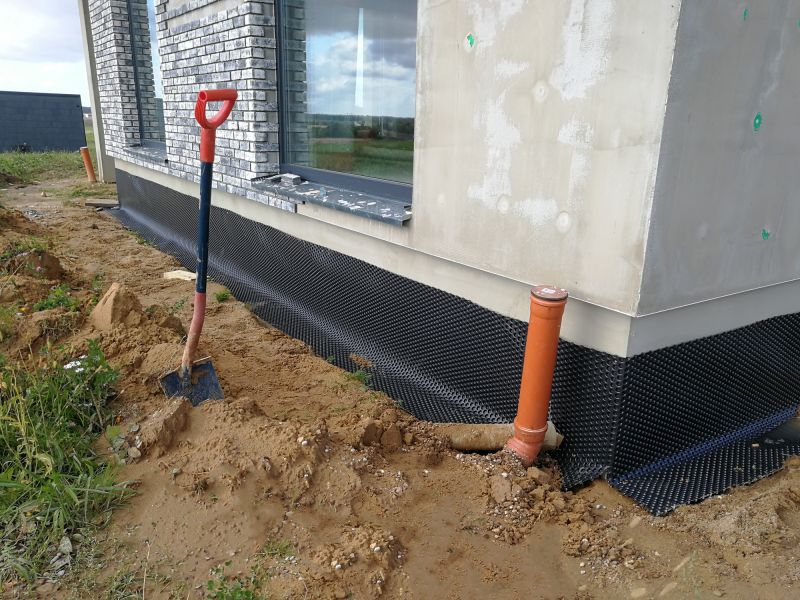
Examples that show the impact a good Drainage Service can make.
Proper timing for drainage service minimizes disruption and maximizes system efficiency. Regular inspections and maintenance during suitable seasons help prevent water-related issues, ensuring property protection and long-term system performance.
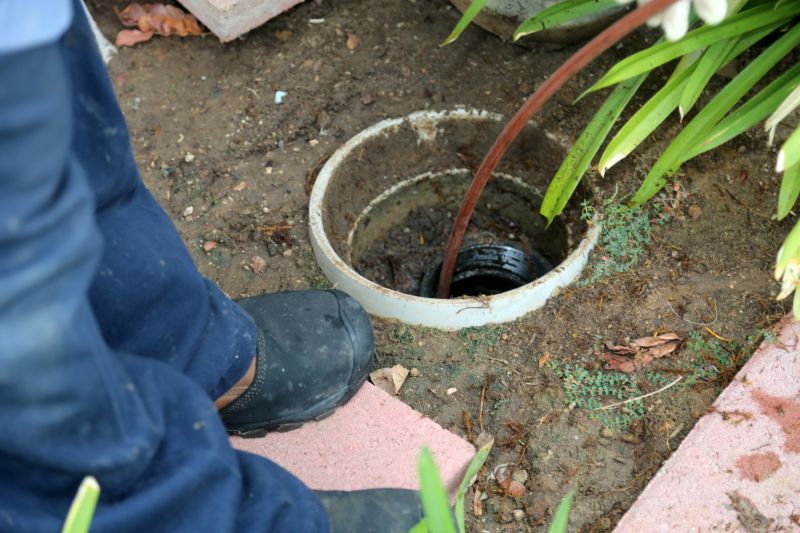
Routine cleaning and inspection to prevent blockages.
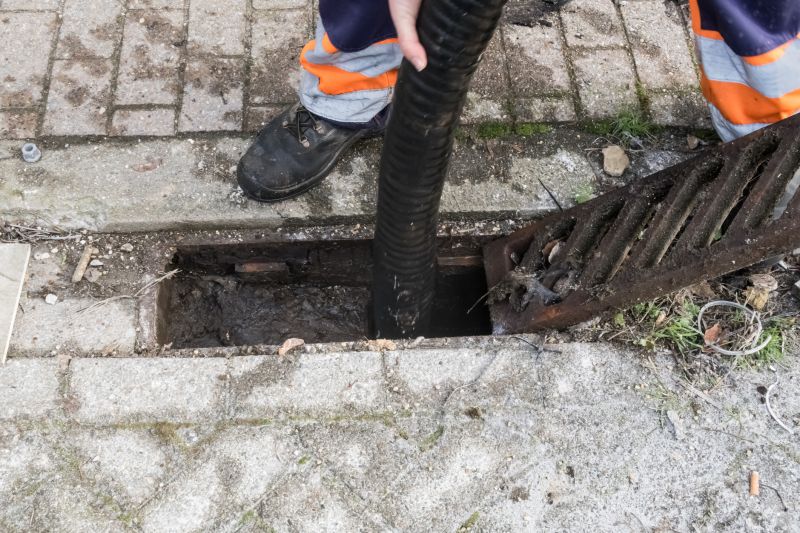
Addressing urgent drainage issues promptly.
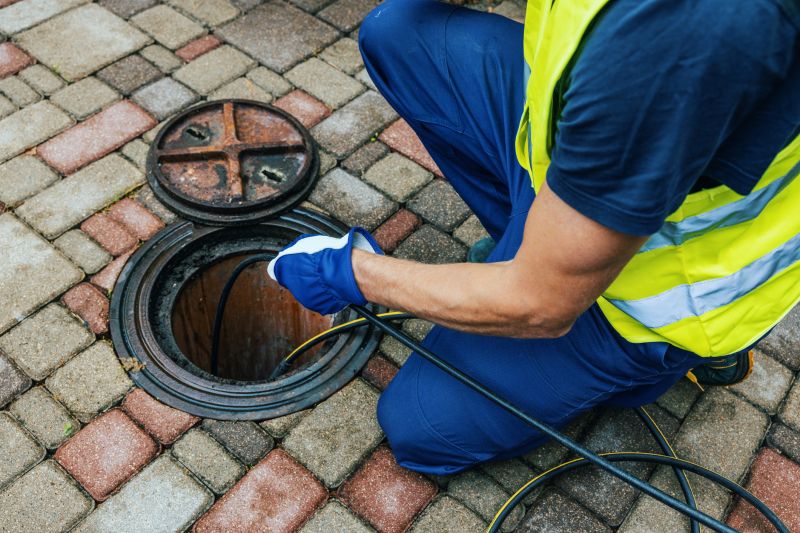
Enhancing existing drainage infrastructure.
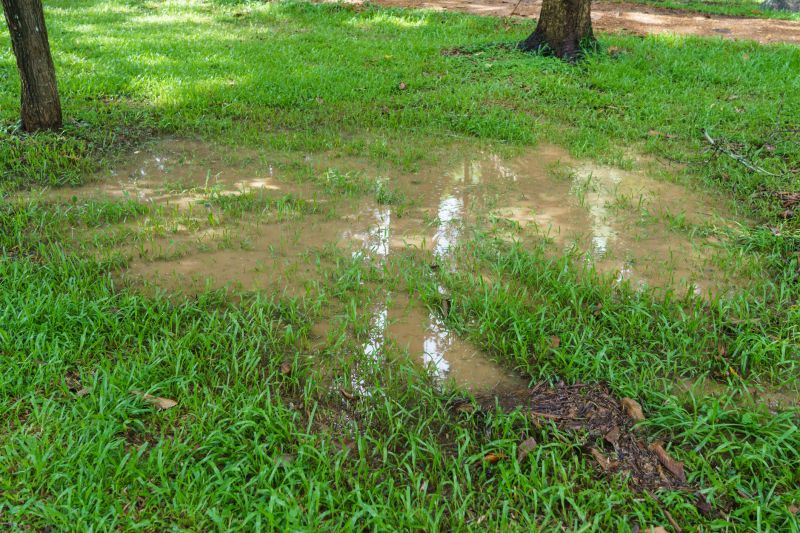
Integrating drainage with landscaping for aesthetics and function.
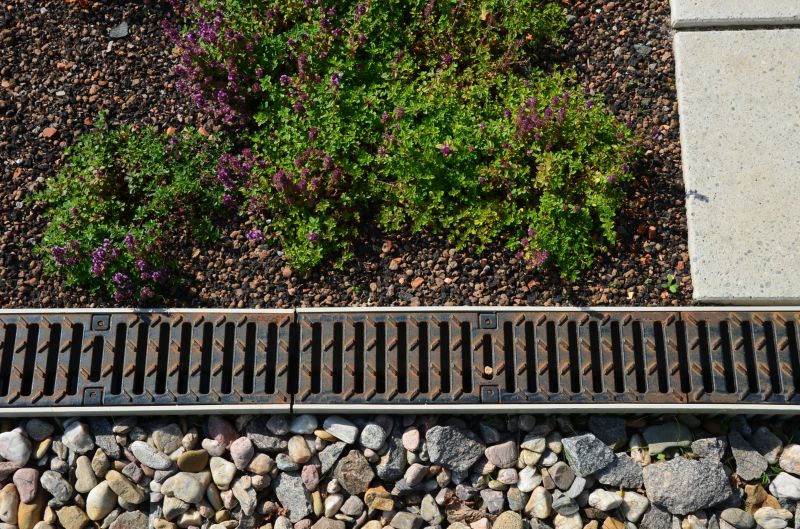
Ways to make Drainage Service work in tight or awkward layouts.
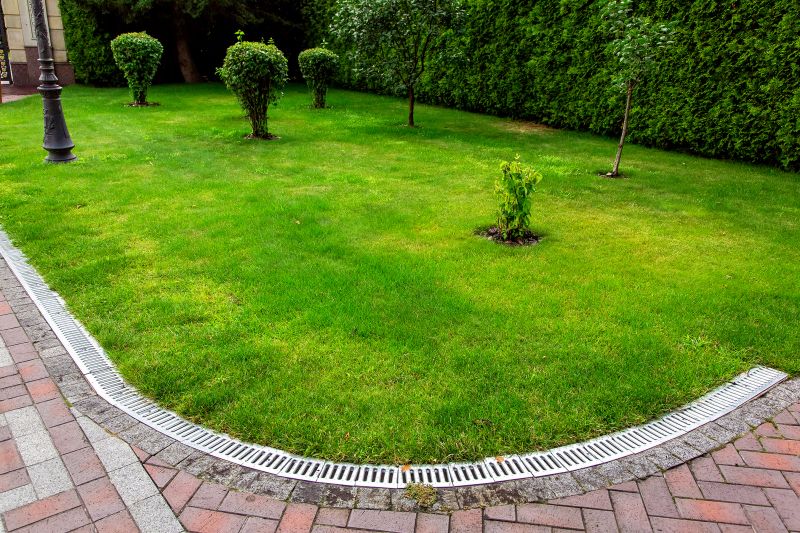
Ways to make Drainage Service work in tight or awkward layouts.
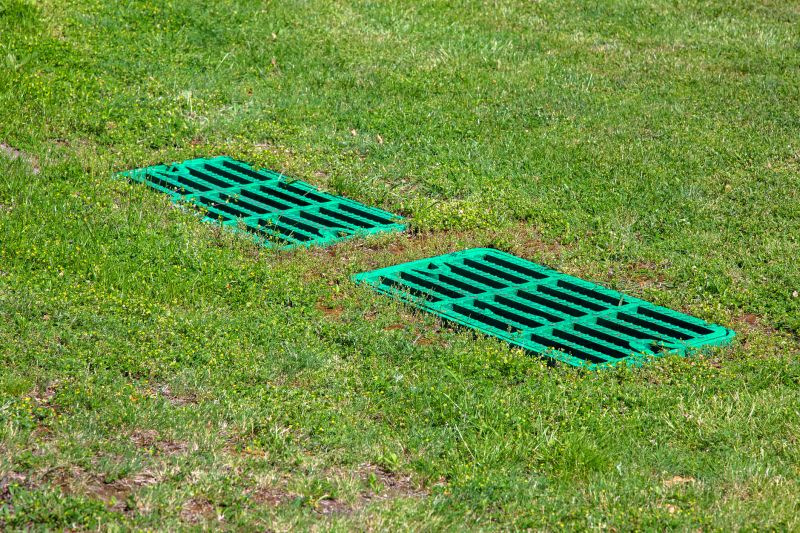
Ways to make Drainage Service work in tight or awkward layouts.
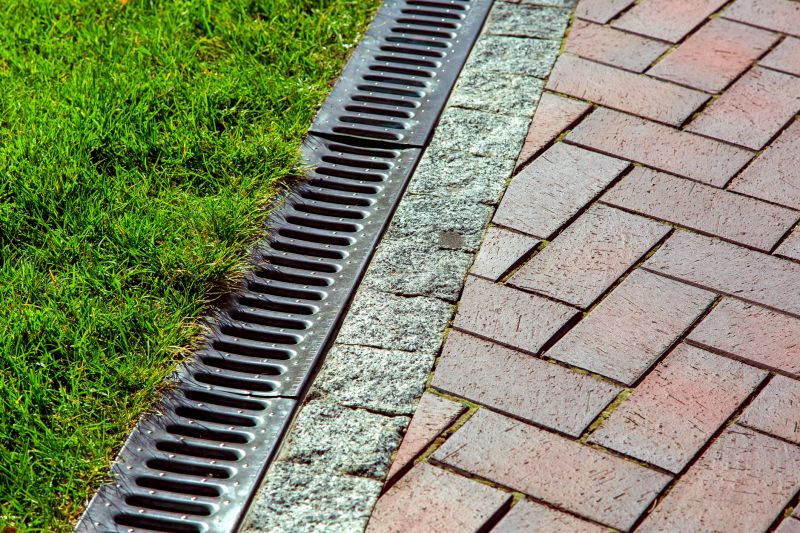
Ways to make Drainage Service work in tight or awkward layouts.
Interested property owners can contact for further information or to schedule drainage service. Proper timing and maintenance are key to effective water management and property preservation.